Concrete parking lot building in Waltham MA - a lot that drains and holds up
Cracked, sunken pavement and puddles that freeze in the drive lanes? We build concrete lots with the base and the drainage planned first.
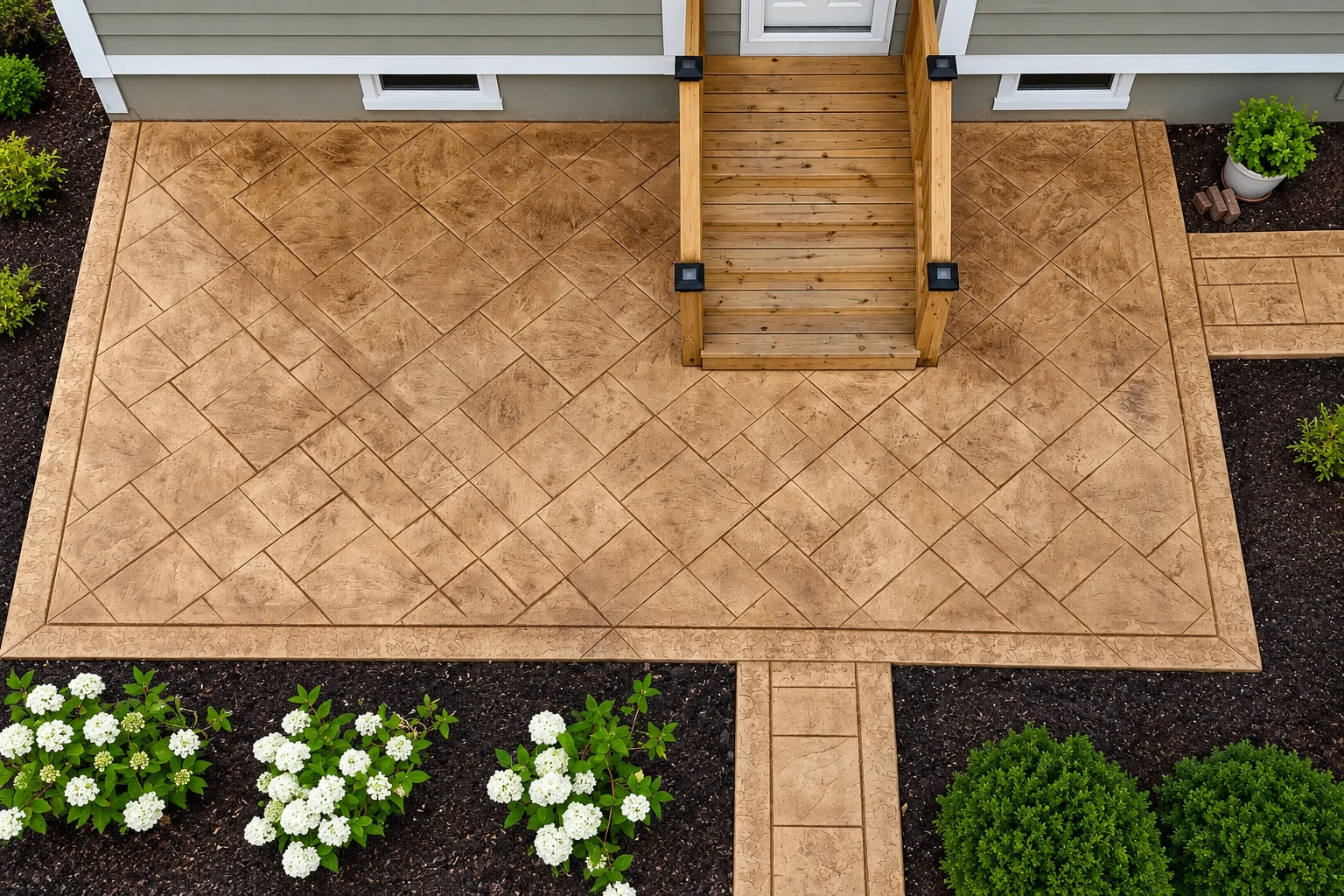
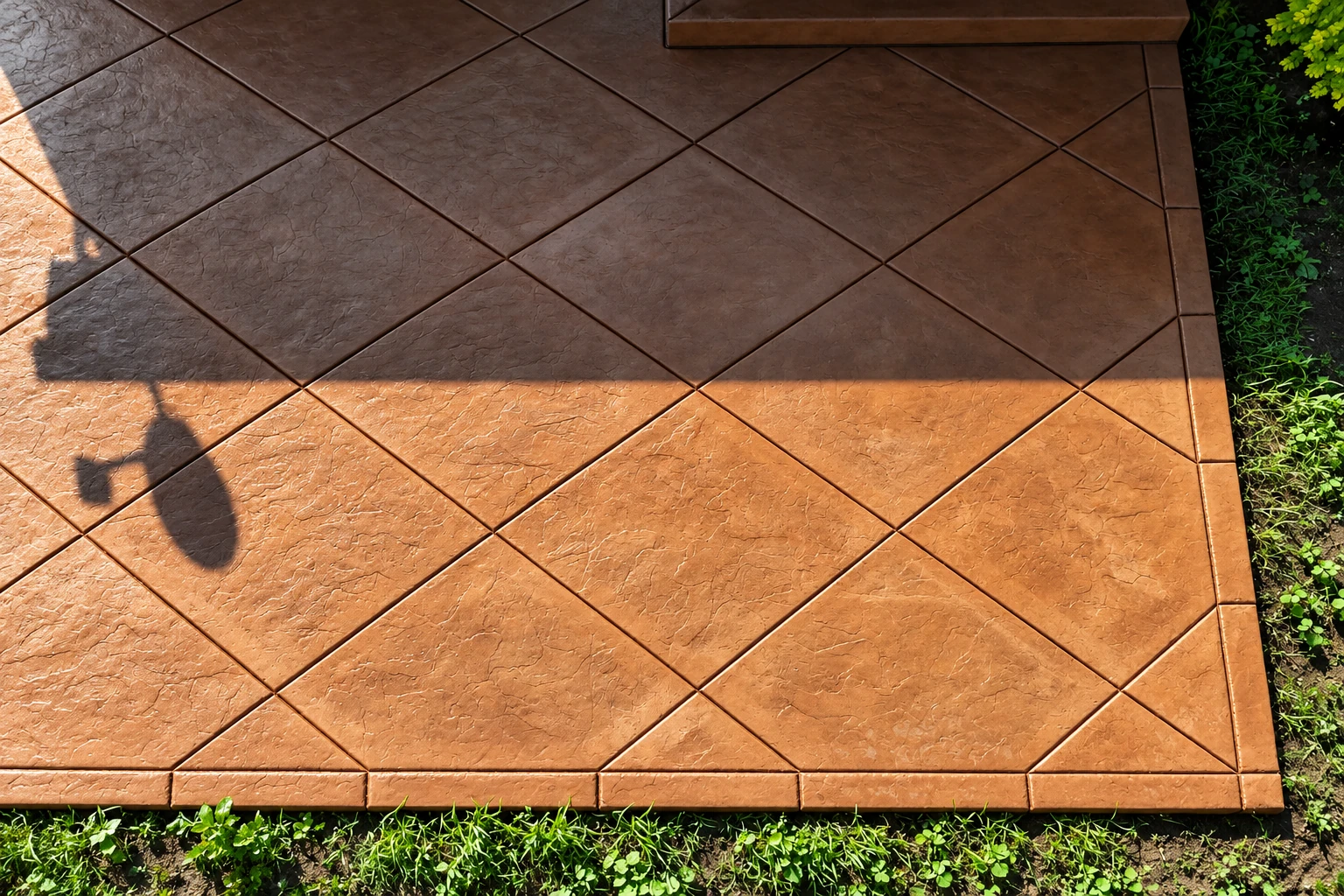
A concrete parking lot isn't a driveway. It's built for traffic.
Concrete parking lot building in Waltham, MA means planning a lot around how it really gets used. That means cars pulling in and backing out, trucks turning tight, plows scraping and salt all winter. Industry guidance for commercial lots says a lot designed for those differences can be economical and serve for many years with little upkeep.
Most calls start with an old lot that's cracked, sunk in the drive lanes or holding water in the same low spots every spring. Water and settling usually started it. If years of runoff toward a building have let one corner of it settle, foundation raising is a separate job, and I'll tell you if I see the signs.
What moves the price is the lot's size, how much old pavement and soft ground has to come out, the drainage the design needs and the mix. The schedule turns mostly on engineering, city review and weather. Your written estimate spells out what's included.
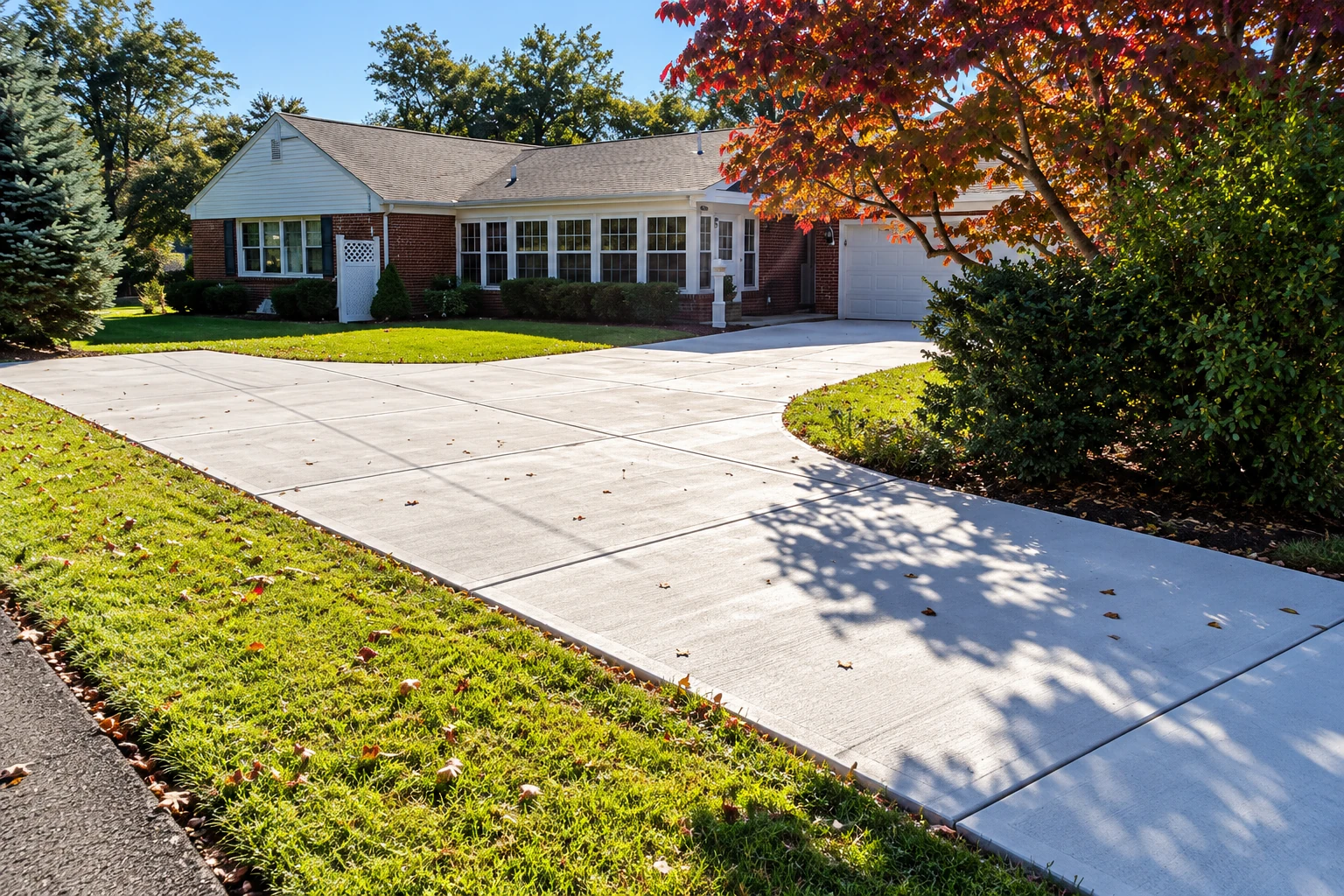
Traffic comes first. Then we design the concrete parking lot.
I start with how the lot gets used, how many cars and trucks, where they turn and whether it gets salted all winter, because that decides whether concrete is even the right call. Sometimes it isn't, and I'll say so before anyone spends money on plans.
Drainage gets worked out with the engineer from the start, so the design handles its own water instead of sending it toward the building or the street. Then we plan the base, the steel and the joints around that design.
A concrete parking lot is more than the pour. Here's the rest.
Tear-out and base
We break out the old pavement, dig to firm ground and pack a stone base in layers, because the subgrade, what the slab sits on, carries every car.
Grading for drainage
We set the grades to the engineer's drainage design so water runs where it's meant to go and never back toward the building.
Thickness and rebar
We match slab thickness and steel to the traffic, since rebar, the steel grid inside the slab, holds cracks tight where trucks turn and park.
Control joints
We cut control joints, shallow grooves that tell the slab where to crack, in a pattern planned ahead and cut on time.
Finish and curing
A broom finish gives tires and boots grip on wet days, and we keep the slab damp and covered while it cures, the slow hardening that sets its strength.
Poles, bollards and edges
Light poles, bollards and low walls at the edge sit on concrete footings set below the frost line, and we build them alongside the lot.
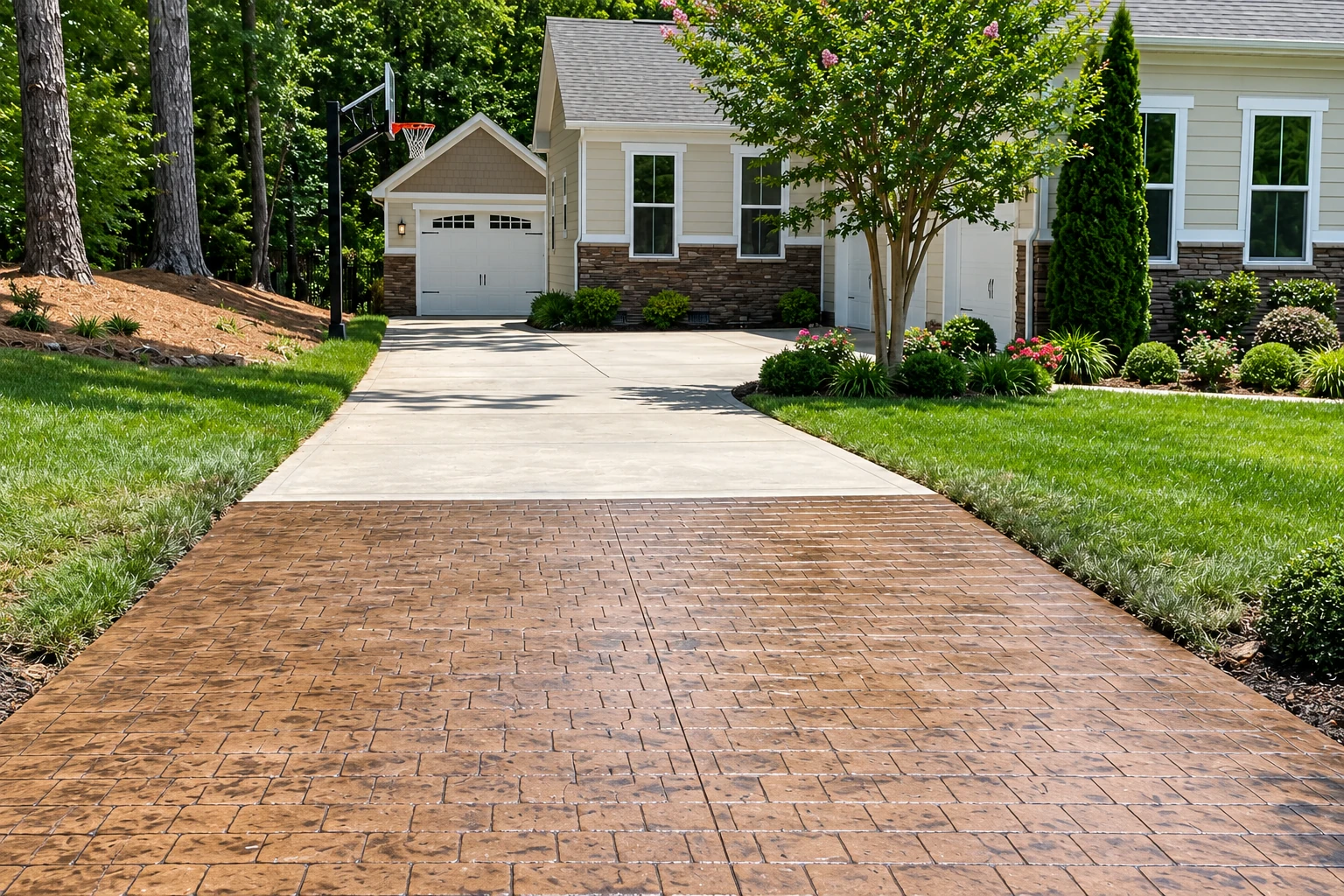
The base decides everything. That's where A&B Waltham Concrete starts.
A lot done badly shows it fast. A base that was raked level instead of dug out and packed settles with the dirt under it, and the low spots fill with water that freezes. A slab poured in midday heat can end up with a weak, dusty top, and joints cut late let cracks pick their own lines.
The base is buried on day one, so it's the first thing a tight budget wants to cut. I'd rather trim almost anything else, because a nice finish on a bad base won't stay nice. We pour in the cooler part of the day and have the saw ready.
Here's how a lot gets built. It runs in four steps.
Call or send a message
Call (781) 622-9470 or use the form and tell us where the lot is. We get back to you to set a time for me to come out.
I walk the site
I come out for the estimate myself, look at the ground and the old pavement, and ask how the lot gets used and where water goes now.
Written estimate and permits
I write up what's included, then we line up the permits, the surveyor and the engineer before the pour goes on the schedule.
The work and the walk-through
Our crew lead runs the work within Waltham's construction hours, 7 am to 5 pm weekdays and 8 am to 4 pm Saturdays, with me there at key steps. We walk the finished lot with you before packing up.
Tell us about your parking lot. I'll come take a look.
Send the lot's rough size, whether it's new or a full replacement, and any site plans. We reply within one business day to set up a free on-site estimate, no obligation.
(781) 622-9470We're based in Waltham. We pour across the cities around it.
- Waltham, MA
- Newton, MA
- Cambridge, MA
- Weston, MA
- Watertown, MA
- Belmont, MA
- Lexington, MA
- Wellesley, MA
- Arlington, MA
- Needham, MA
- Burlington, MA
- Sudbury, MA
We're based in Waltham and build lots in Newton, Watertown and many cities nearby. If your city isn't listed, call and ask.
Mon–Fri: 7 AM–10 PM, Sat–Sun: 6 AM–11 PM
You'll have questions about the lot. Here are straight answers.
Read through the answers below, and if your question isn't here, call (781) 622-9470 and I'll walk you through it.
Should my parking lot be concrete or asphalt in Waltham?
Concrete can suit lots with heavy loads, slow turning, fuel deliveries or hard wear, one contractor's guide says, while asphalt can cost less to build in many markets and moves faster if you build in stages. The same guide says the choice comes down to traffic, drainage, winter exposure, upkeep, how long you'll own the lot and a design for your site.
Will a concrete parking lot hold up to road salt and deicers?
It can when the mix is air-entrained, made with tiny air bubbles that give freezing water room so stress doesn't build up in the surface. Industry guidance notes that deicers keep concrete wetter and add freeze-thaw cycles, so ask whether the mix is air-entrained. For a new lot's first winter, it advises clean sand for traction and only moderate deicer.
Can you pour a concrete parking lot in late fall or winter?
It can be done, but national industry guidance urges caution with late fall, winter and early spring pours when fresh concrete could freeze while it's still wet. If your lot has to go in then, ask how the crew will protect it. I'll tell you at the estimate how we'd do that, or whether waiting makes more sense.
What drainage does Waltham require for a new parking lot?
Waltham requires all runoff from new or changed pavement to stay on your property, held or soaked back into the ground. Non-residential projects adding or changing more than 300 square feet of pavement also need drainage calculations with the plans, and fully tearing out an old lot brings in the drainage requirement for homes and businesses alike.
Do I need a permit to build a parking lot in Waltham?
Plan on a city review, because Waltham's Engineering Department reviews private site work, and sites over one acre also file a construction stormwater permit. The city requires a Massachusetts registered professional civil engineer to stamp the drainage design. We're licensed and fully insured, handle the permit steps for our work and tell you early when we need your signature.
We pour more than parking lots. Here's the rest of our work.
- Concrete driveway building
- Concrete patio construction
- Stamped concrete services
- Concrete sidewalk building
- Garage floor concrete
- Decorative concrete
- Concrete retaining walls
- Concrete floor installation
- Concrete pool decks
- Concrete steps construction
- Slab foundation building
- Foundation installation
- Concrete footings
- Foundation raising
- Concrete cutting
Planning a concrete lot or its drainage? Call for a free estimate.
Call (781) 622-9470 or use the form with the lot's address and how it's used, and we'll set a time to come look. An early look gets the engineer started sooner.
(781) 622-9470