Concrete cutting in Waltham MA - clean cuts planned before the saw starts
Need a new opening in a wall, a trench in a slab or a hole for a pipe? We plan the cut, then make it clean.
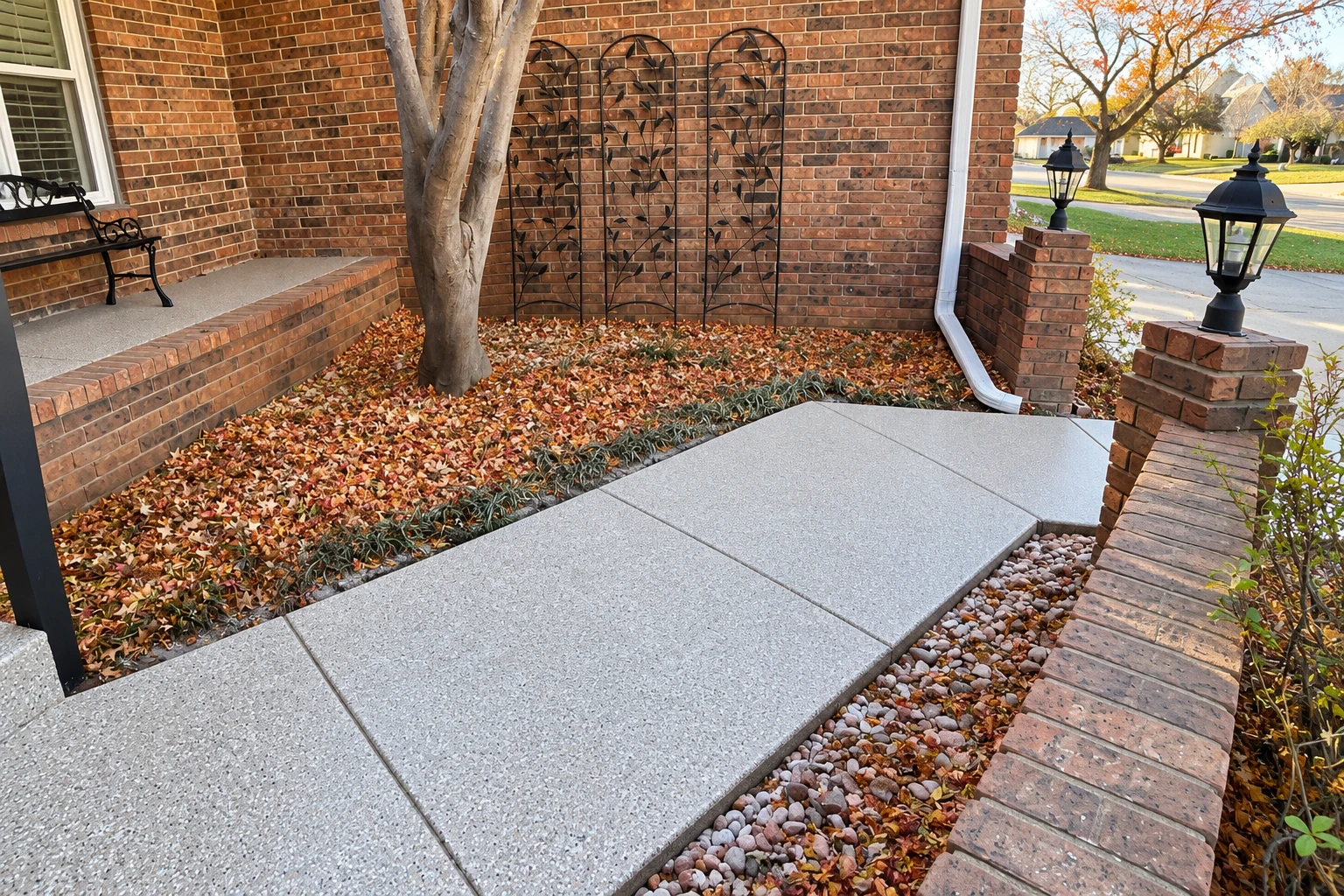
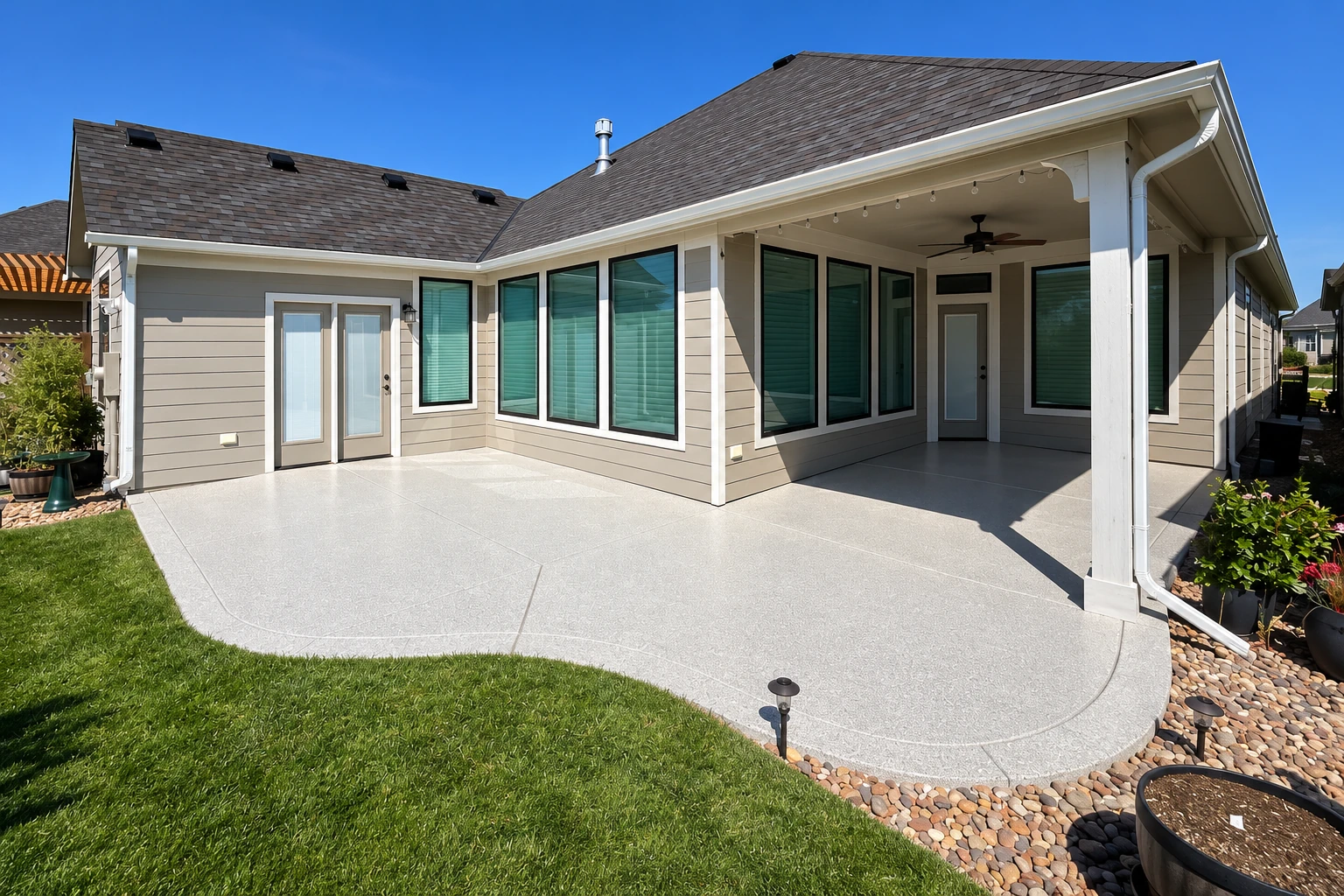
Concrete cutting makes room. It opens slabs and walls cleanly.
Concrete cutting is how we make straight cuts in a floor slab, openings in a wall and round holes for pipe, drains and conduit. We pick the tool to fit the surface and the room around it, from a flat saw rolled across a slab to a wall saw, a hand saw or a core drill that bores the round holes.
Most calls start with something new going in. A basement needs a door or a window, a bathroom needs a drain run under the slab, or a driveway is getting wider. Sometimes the cut is the first step of a bigger pour, like a new concrete driveway or a concrete patio that ties into an old slab.
What's at stake sits inside and behind the concrete. A cut through a buried line, or through a wall that holds up the house, is hard to undo, so the planning matters more than the sawing.
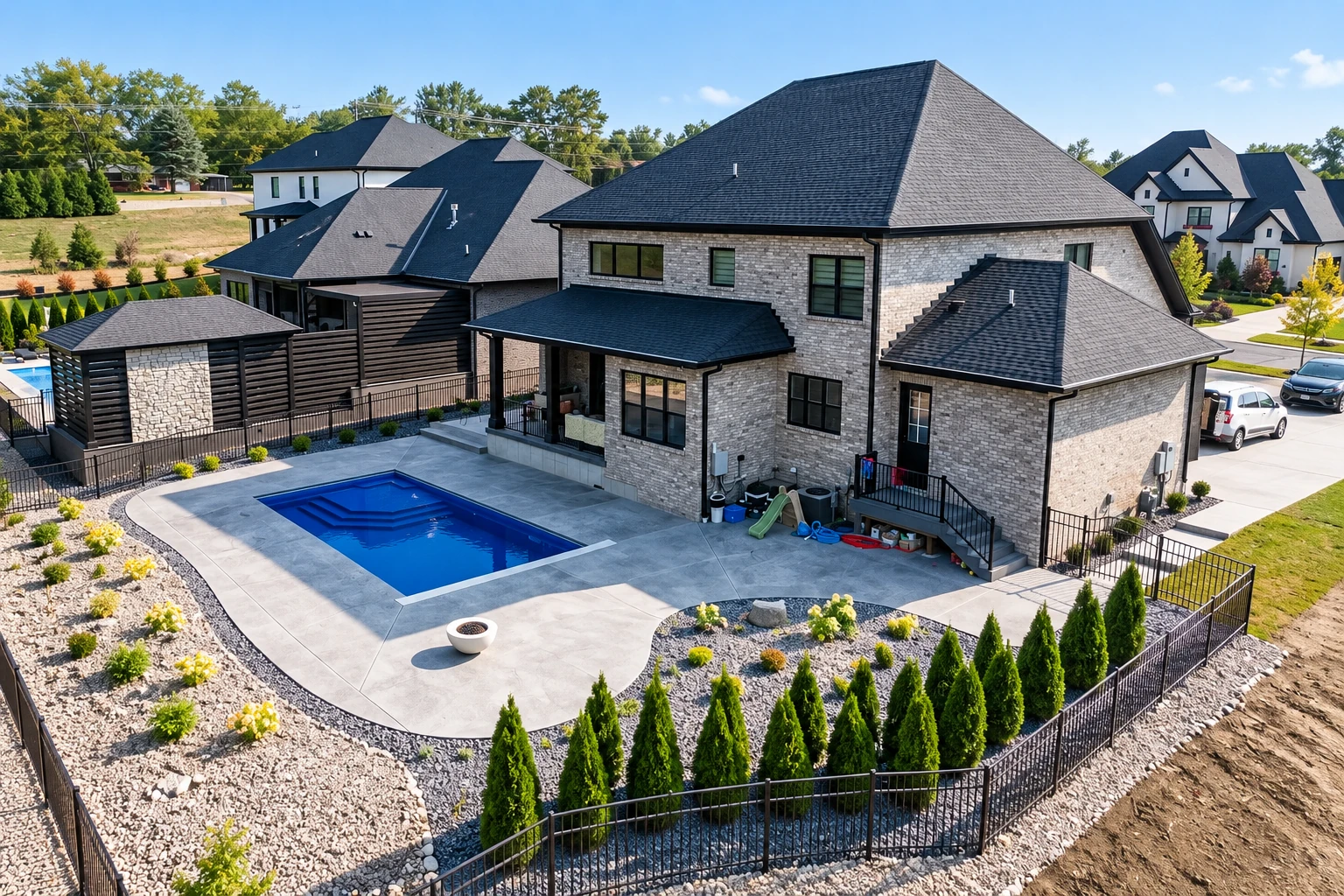
We plan every cut first. Concrete cutting starts with questions.
I still do the estimates myself, and on a cutting job I ask a lot of questions before anyone picks up a saw. What might be inside the concrete? Is that wall holding up the house, and does an engineer need to size the opening? Then we choose the saw that fits the space, and run electric gear indoors.
In Massachusetts, a licensed construction supervisor or a registered design professional has to oversee construction on one- and two-family homes, unless the homeowner takes it on under the exemption. We're licensed and fully insured, and we work out which city office your job runs through and handle the permit steps for our work.
Concrete cutting covers a lot. Here's the work we take on.
Slab cuts
Straight cuts across a garage floor, basement slab or driveway, made with a flat saw for a trench, a repair or a clean new edge.
Wall openings
Doorways and window openings cut through concrete walls with a wall saw, sized and placed on paper before the blade ever touches the wall.
Core holes for pipes
Round holes for plumbing, drains and electrical conduit, bored with a core drill so the hole comes out round and clean where it needs to be.
Tight spots and corners
Hand saws for corners, stairwells and spaces where a bigger saw won't fit, so the cut still finishes right at the line you marked.
Thick or reinforced sections
Wire saws for thick concrete or sections packed with rebar, the steel bars set inside concrete to hold it together under load.
Breaking and hauling away
Breaking the cut sections into pieces and carting them off the property, written on its own line when it's part of the job you want.
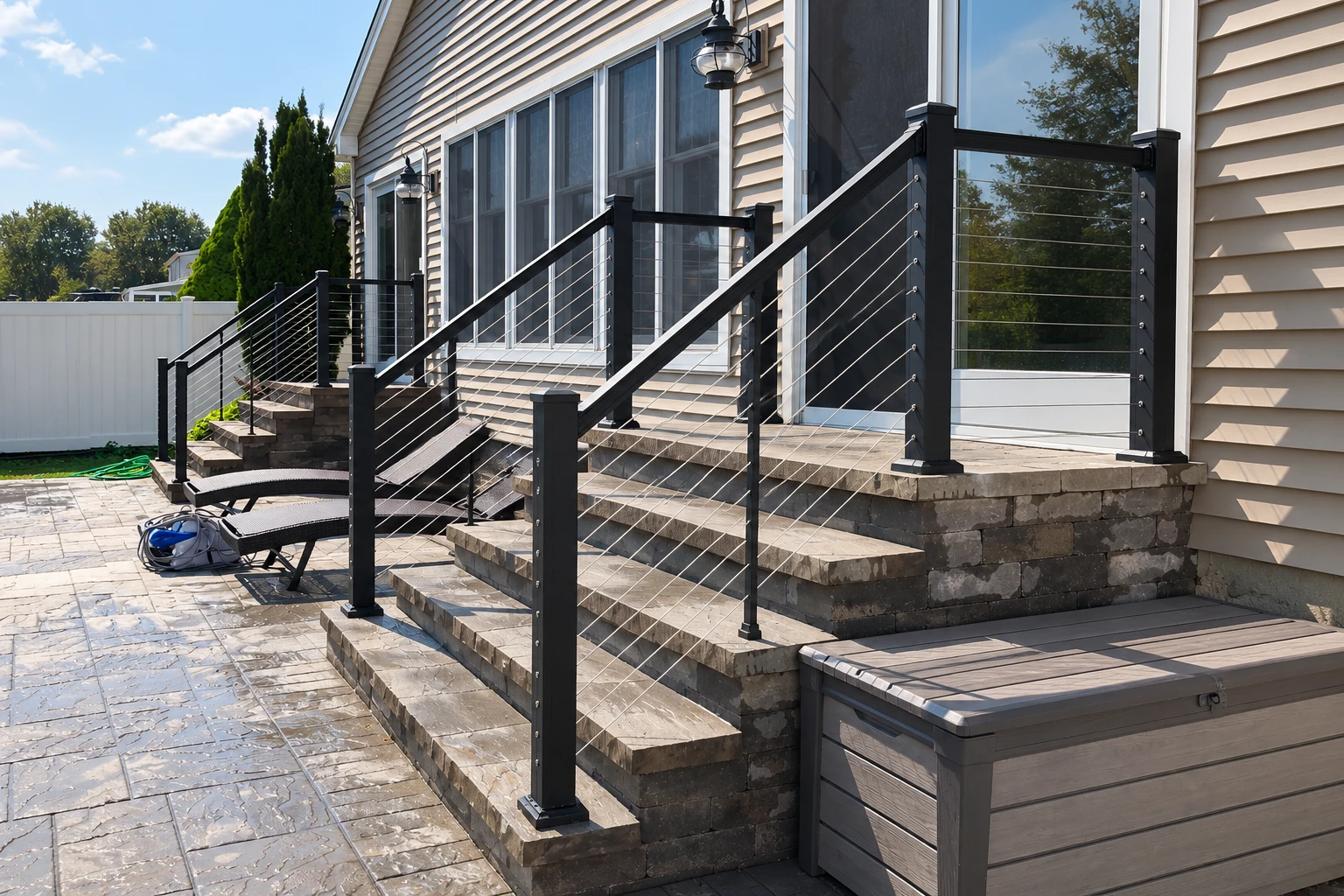
Concrete cutting sets up the work that follows. Plan it well.
Hit a pipe or conduit buried in the slab, and a simple trench becomes a repair. Open a bearing wall without an engineer's plan and you've changed how it carries the house. Run a gas saw in a basement and carbon monoxide builds up indoors, where nobody should be breathing it.
So we plan each cut around the work that comes next. Indoors we run electric equipment with water control, ventilation and dust extraction, which can make a basement job cost a bit more. Our walk-behind saws run with water fed to the blade the whole time, as OSHA's rule calls for, to keep the dust down.
From your call to clean-up. Here's how a cut runs.
Call or send the form
Call (781) 622-9470 or send a message through the form, and we'll set up a time for me to come see the spot.
I come out and look
I look at where the cut goes, ask how you'll use the space and check what might run inside the concrete or need an engineer.
Your written estimate
Your written estimate spells out hauling and core holes. Then we get any permits, like Waltham's street opening permit for a curb or sewer cut.
The cut and clean-up
Our crew lead runs the cut in Waltham's work hours, 7 to 5 weekdays and 8 to 4 Saturdays. I check key steps and walk the job with you.
Tell us about your cut. We'll come out and look.
Tell us if it's a wall or a slab, indoors or out, and roughly how long. We reply within one business day to book a free on-site estimate, no obligation.
(781) 622-9470We're based in Waltham. We cut concrete in the cities around it.
- Waltham, MA
- Newton, MA
- Cambridge, MA
- Weston, MA
- Watertown, MA
- Belmont, MA
- Lexington, MA
- Wellesley, MA
- Arlington, MA
- Needham, MA
- Burlington, MA
- Sudbury, MA
We're based in Waltham and cut concrete in Newton, Watertown and many other cities nearby. If your city isn't listed, just call and ask.
Mon–Fri: 7 AM–10 PM, Sat–Sun: 6 AM–11 PM
Questions about concrete cutting. Here are straight answers.
Read through the answers below on cost, engineers, hauling and city rules. If your question isn't here, call (781) 622-9470 and ask.
How much does concrete cutting cost in Waltham?
Professional saw cutting of concrete slabs across the US usually runs about $4 to $15 per linear foot, for the sawing alone. Reinforced or deeper slabs cost more per foot than plain ones that are easy to reach, and a small wall-sawing job may come down mostly to the minimum charge. Your written estimate shows what's included.
Do I need an engineer to cut a new opening in a concrete wall?
If it's a bearing wall, usually yes, because an opening changes how the wall carries the load, and its size, location and any new frame are the engineer's call. Wall saw jobs need an engineer more often than other cuts, so line one up before the cut is booked. I'll tell you at the estimate if yours does.
Does concrete cutting include hauling the concrete away?
Not always, because sawing and removal are separate jobs and some cutters leave the pieces in place. Breaking, hauling and disposal can add more than the sawing itself, so compare quotes on what each one covers. Our estimate says plainly whether hauling is in the price, and lists core holes for pipes as their own items.
What does Waltham require to widen a driveway?
The city wants an application to its Engineering Department with a plan stamped by a land surveyor for any new or widened driveway opening. Under the city's curb cut rules, the applicant also picks a city-approved contractor with a bond and a certificate of insurance. If your job needs a surveyor, we'll tell you early.
Should concrete be scanned before cutting into it?
It depends on the structure and where the cut goes. Scanning matters most where electrical conduit, plumbing or other lines may run inside the concrete. We look into what might be in there before we cut, and we'll tell you whether your job calls for a scan.
Cutting is often step one. See the rest of our concrete work.
- Concrete driveway building
- Concrete patio construction
- Stamped concrete services
- Concrete sidewalk building
- Garage floor concrete
- Decorative concrete
- Concrete retaining walls
- Concrete floor installation
- Concrete pool decks
- Concrete steps construction
- Slab foundation building
- Foundation installation
- Concrete parking lot building
- Concrete footings
- Foundation raising
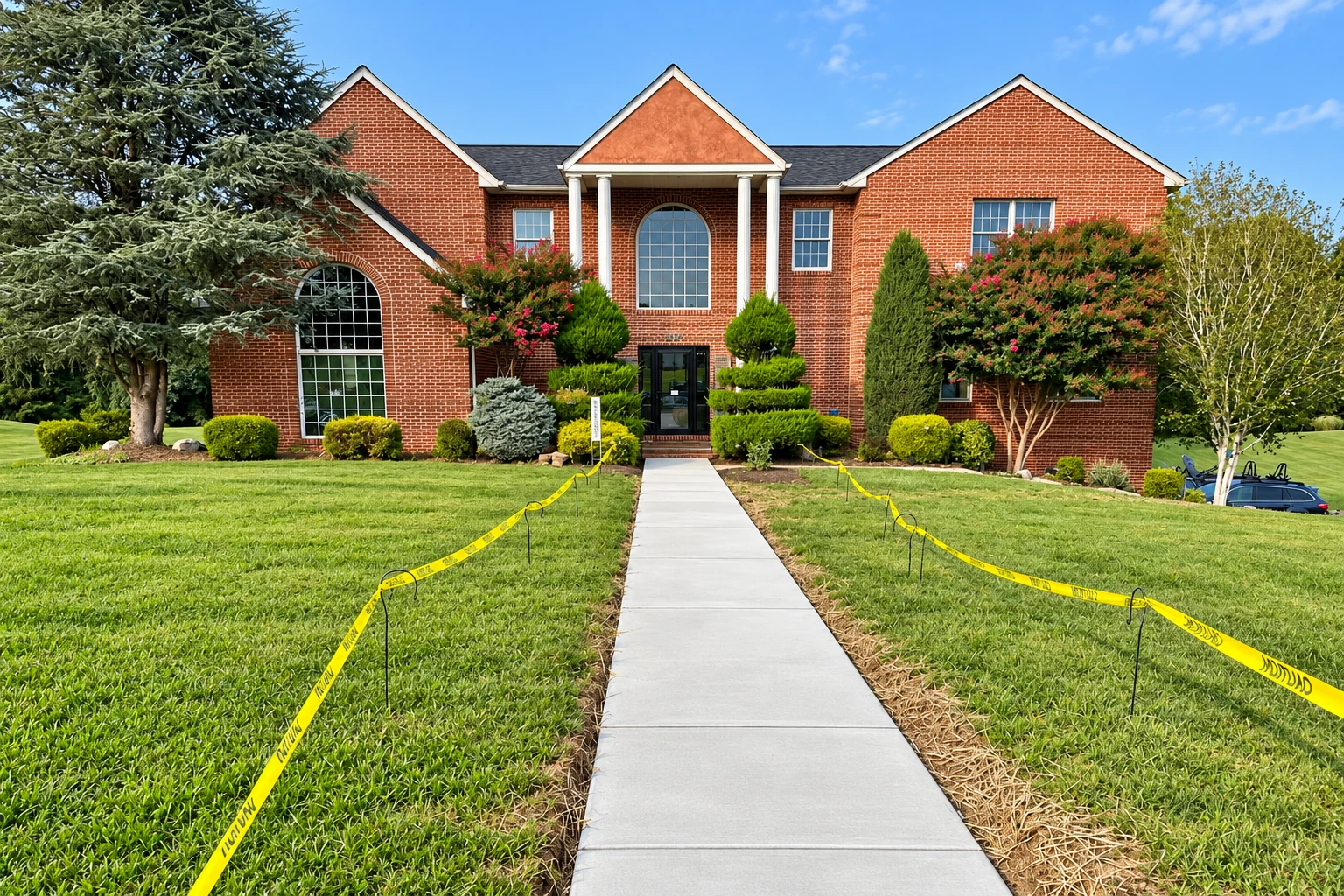
Planning a new opening or drain line? Call A&B Waltham Concrete.
Tell us what the cut is for and where it goes, and we'll set a time to look at what photos can't show.
(781) 622-9470